


OUR FOUNDATION WAS CREATED in memory of Joshua
to assist other families who are also struggling to survive this journey of sorrow and devastation.

WE ARE ALWAYS LOOKING FOR NEW WAYS TO CONTRIBUTE TO OUR COMMUNITY
Together, we have been able to accomplish so much.

WE WOULD LOVE TO HELP YOU
or someone you know find their way through the shock and grief that follows the sudden loss of a child.

WE EXPRESS OUR DEEPEST SYMPATHY
to you and your family, and truly understand and empathize with you.


The Josh Rojas Foundation is a nonprofit, 501(c)3 organization, that is dedicated to providing support and resources for families who have suddenly lost a child in the Rochester, NY area.
We support families by providing compassion and empathy during a difficult time, sharing invaluable resources to help process grief, providing information regarding a congenital condition known as Megalencephaly, offering monetary recognition of the youth of the community, and so much more.

GRIEF LITERATURE & RESOURCES
It’s part of our mission to provide our community with a variety of resources to help them process and navigate the journey through devastating loss. We provide access to grief literature for both parents and children, as well as share information about local support groups, organizations, links to find a trusted therapist, and more.
SERVICES & GIFTS
We welcome you to join us for our services and be a part of the gifts we share with the community. We invite you to participate in our Bereaved Parent Gatherings, Fall Get-Togethers, and Ceremony of Remembrance. The Josh Rojas Foundation also dedicates donations to providing financial assistance to families, as well as the Heart for Art Award and Life Worth Living Award to children in our community.
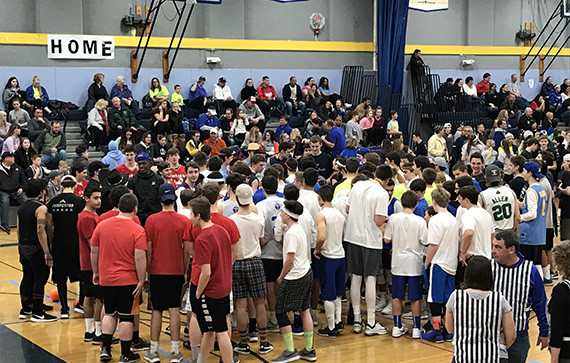
EVENTS & FUNDRAISERS
The Josh Rojas Foundation has been able to accomplish so much because of all the wonderful donations and support we have received throughout the years. Due to the success of our events, we have been able to provide generous donations to children, families, and organizations in our community and throughout the country and world.

AWARDS & PLAQUES
Through your generous donations, we have been able to continue our annual awards to West Irondequoit students. The Heart for Art Award and A Life Worth Living Award are presented to children in our community who share Joshua’s passion for life, art, and community. These awards include a monetary prize, personal plaque, and the recipient’s name inscribed on a plaque and displayed at school.

Providing Support and Resources for Grieving Families
Josh continues to be a glowing light in our lives. His life was such a gift to us. He has inspired us to reach out to others who are just as devastated by the physical loss of their own beloved child. We will gladly share our own experiences and what worked or didn’t work for us. Please know we are not professional therapists or counselors; however, professional advice and support is always available.